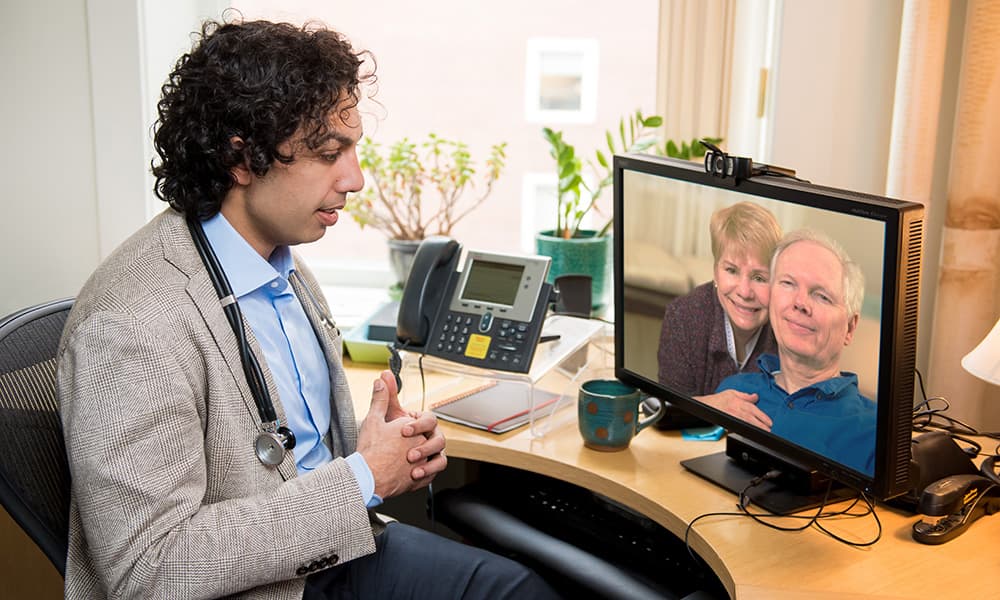
Telehealth has transformed healthcare delivery, providing patients with faster access to medical advice, especially in thriving communities like Newcastle. From virtual consultations to remote monitoring, telehealth allows patients to receive care without stepping into a clinic. However, as its adoption grows, so too do the challenges and boundaries healthcare providers must carefully navigate. Legal, ethical, and practical considerations surrounding telehealth are crucial to ensuring safe, fair, and effective care for Newcastle’s residents.
Here, we explore the potential of telehealth in patient care within Newcastle, alongside the constraints and how healthcare providers can address them.
The Promise of Telehealth in Newcastle
Telehealth offers numerous benefits, particularly for Newcastle’s diverse population. It provides unprecedented convenience for patients who cannot easily commute due to mobility issues or rural residency in outlying areas like Northumberland. Furthermore, telehealth solutions reduce waiting times for GP appointments, easing pressure on the NHS and offering critical assistance during peaks in healthcare demand, such as flu seasons or emergencies.
While these advancements are promising, telehealth is not without its challenges. Certain boundaries must be respected to ensure proper patient care and compliance with current laws and ethics.
Legal and Ethical Boundaries
Patient Privacy and Data Security
One of the most pressing concerns with telehealth is the secure handling of sensitive patient data. Under the UK General Data Protection Regulation (UK GDPR), protecting patients’ personal and medical information is a legal obligation for healthcare providers.
Telehealth platforms must ensure data encryption during virtual consultations and secure storage systems to protect patients from potential breaches. For example, a Newcastle-based GP clinic using a third-party telehealth platform must confirm that the software complies with UK GDPR requirements and doesn’t expose patients to security vulnerabilities.
Remote Consent Processes
Telehealth also presents challenges around informed consent. Patients must understand what telehealth entails, including its limitations, before agreeing to remote consultations. This includes being clear about recording policies and the risks of using digital technologies.

Challenges in Telehealth Implementation
Limitations of Remote Diagnosis
Telehealth can’t fully replace in-person care. For instance, assessing physical symptoms often requires direct examination. A virtual consultation might miss subtle signs of conditions like skin disorders or respiratory issues, leading to delayed or inaccurate diagnoses.
Solution: Combine telehealth with physical appointments when necessary. Encourage patients to visit clinics in person for cases requiring detailed examination or diagnostic tests.
Accessibility Issues
Not all patients in Newcastle may have reliable internet access, smartphones, or the digital literacy to use telehealth platforms effectively. Rural and underserved populations, in particular, may struggle to benefit from telehealth.
Recommendation: Offer technical support to patients and provide alternative consultation options, such as telephone appointments, for those who cannot access video platforms.
Clinician Burnout
Extended use of telehealth may lead to clinician burnout due to the difficulty of maintaining boundaries when working remotely. Constant availability risks blurring the lines between personal and professional obligations.
Solution: Establish clear schedules for telehealth consultations and integrate time management tools to ensure healthcare providers in Newcastle remain productive without overworking.
Conclusion
Telehealth is a valuable tool for improving patient care in Newcastle, but it’s vital to address its limitations to maximize its impact effectively. By prioritizing data security, ensuring informed consent, and balancing remote care with in-person services, healthcare providers can build a sustainable, patient-focused telehealth ecosystem.
By navigating these boundaries carefully, Newcastle’s telehealth providers can harness technology to complement traditional methods, offering efficient healthcare solutions that respect legal, ethical, and practical considerations. The road ahead is promising, but only if both providers and patients work together to adapt to this evolving landscape.






 Contests
Leave a comment